Quick Links
Browse By Peptide
- 5-Amino-1MQ
- Ac Sdkp Goralatide
- Ace 031
- Acetic Acid
- Acetyl Hexapeptide 3 Argireline
- Adamax
- Adipotide
- Ahk Cu
- Aicar
- Akg
- Alprostadil
- Aod 9604
- Ara 290
- Bacteriostatic Water
- Bam 15
- Bpc 157
- Bpc 157 Tb 500
- Bronchogen
- Ca Akg
- Cagrilintide
- Cardiogen
- Cartalax
- Cerebrolysin
- Chonluten
- Cjc 1295 Dac
- Cjc 1295 No Dac
- Cjc 1295 No Dac Ipamorelin
- Cortagen
- Cortagen Peptide Research Guide
- Crystagen
- Dermorphin
- Dihexa
- Dsip
- Epithalon
- Follistatin 344
- Foxo4 Dri
- Ghk Cu
- Ghrp 2
- Ghrp 6
- Glow
- Glutathione
- Gonadorelin
- Gotratix A18
- Hexarelin
- Hgh Fragment 176 191
- Humanin
- Hyaluronic Acid
- Igf 1 Des
- Igf 1 Lr3
- Ipamorelin
- Kisspeptin 10
- Klow
- Kpv
- Liraglutide
- Ll37
- Matrixyl 3000 Complex
- Mazdutide
- Melanotan I
- Melanotan Ii
- Methylene Blue
- Mgf
- Mk 677 Ibutamoren
- Mots C
- Na Epitalon Amidate
- Na Selank
- Na Semax
- Nad
- Nad Plus
- Nmn
- Nmnh
- Nonapeptide 1
- Ovagen
- Oxytocin
- Pal Ghk Peptide
- Pancragen
- Pe 22 28
- Peg Mgf
- Pentapeptide 18 Leuphasyl
- Pinealon
- Pnc 27
- Prostamax
- Pt 141
- Ptd Dbm
- Reconstitution Solution
- Resveratrol
- Retatrutide
- Retatrutide Cagrilintide
- Selank
- Semaglutide
- Semaglutide Cagrilintide
- Semax
- Sermorelin
- Servodutide
- Slu Pp 332
- Slu Pp 332 Bam15
- Snap 8
- Ss 31
- Survodutide
- Syn Ake
- Syn Coll Peptide
- Tb 500
- Tb 500 Frag
- Teriparatide
- Tesamorelin
- Tesamorelin Ipamorelin
- Tesamorelinipamorelin
- Tesofensene
- Tesofensine
- Testagen
- Thymalin
- Thymosin Alpha
- Thymosin Beta 4
- Tirzepatide
- Triptorelin
- Vesugen
- Vilon
- Vip
- Vip Peptide
Browse By Application
- Addiction
- Alzheimers
- Anti Aging
- Antimicrobial
- Anxiety
- Appetite
- Autoimmune Disorders
- Bladder Urinary Health
- Body Composition
- Bone Joint Health
- Cancer
- Cardiovascular Health
- Cellular Energy
- Circadian Health
- Cognitive Enhancement
- Cosmetic
- Crohns Disease
- Depression
- Diabetes
- Ear Hearing Health
- Endocrine Health
- Epigenetics
- Eye Health
- Fat Oxidation
- Fertility
- Glp
- Growth Hormone Optimization
- Gut Health
- Hair Scalp Health
- Hormonal Balance
- Immune System Support
- Immunomodulation
- Infection
- Inflammation
- Inflammatory Bowel Disease
- Injury Recovery
- Irritable Bowel Syndrome
- Kidney Health
- Leaky Gut
- Libido
- Liver Health
- Longevity
- Menopause
- Mens Health
- Mental Health
- Metabolic Health
- Mitochondrial Health
- Muscle Growth
- Neural Regeneration
- Neurodegenerative Diseases
- Neuroprotection
- Oncology
- Oral Dental Health
- Osteoporosis
- Pain Management
- Parkinsons
- Perimenopause
- Polycystic Ovary Syndrome
- Post Traumatic Stress Disorder
- Respiratory Health
- Sexual Health
- Skin
- Sleep
- Spinal Cord Injury
- Sports Performance
- Telomere Biology
- Thyroid
- Tissue Repair
- Weight Loss
- Womens Health
- Wound Healing
Reconstitution Solution: The Complete Guide - Uses, Mechanism, Dosing, Safety & Research
AI Summary
Reconstitution solution is the sterile liquid used to dissolve a lyophilized (freeze-dried) peptide or biologic compound into an injectable form. The choice of diluent, most commonly bacteriostatic water, sterile water for injection, or normal saline, directly affects peptide stability, shelf life after mixing, and safety. This guide covers what reconstitution solution is, how each type works, which diluent is appropriate for which situation, proper handling and storage, and the safety considerations every peptide researcher should understand before opening a vial.Quick Facts
| Field | Detail |
|---|---|
| Aliases / AKA's | Bacteriostatic Water (BWFI), Sterile Water for Injection (SWFI), Diluent, Reconstitution Diluent, Bacteriostatic Water for Injection |
| Class | Pharmaceutical diluent / sterile injectable vehicle |
| Typical administration routes | SubQ / IM / Intranasal / IV (route-dependent on specific diluent type) |
| Overall evidence grade | Strong: pharmaceutical-grade reconstitution solutions have decades of clinical use and regulatory validation behind them |
| Regulatory status | FDA-regulated pharmaceutical products (USP-grade); research-grade versions labeled for laboratory use only |
| Last updated | July 2026 |
What Reconstitution Solution Does & How It Works
What It Does: Functional Outcomes
- Dissolves a lyophilized (freeze-dried, meaning water was removed from the compound to preserve it for storage) peptide powder into a uniform liquid solution suitable for injection or other administration
- Creates a consistent concentration throughout the solution so that every volume drawn contains the same amount of active compound
- Preserves peptide stability after reconstitution: bacteriostatic water inhibits microbial growth across a multi-week use window
- Provides a sterile, endotoxin-tested vehicle that minimizes contamination risk when handled correctly
- Enables accurate dose calculation by establishing a known concentration from which specific volumes can be drawn
How It Works: Mechanism of Action
Dissolution and Solubilization (Evidence: Established pharmaceutical chemistry)
Lyophilized (freeze-dried) peptides exist as a porous, dry cake or powder with very low residual moisture. When an aqueous reconstitution solution contacts this structure, water molecules disrupt the intermolecular forces holding the dried powder together. They then solvate the individual peptide molecules, surrounding each peptide chain with a hydration shell that holds it in stable suspension. The resulting solution is uniform at the molecular level, meaning the same concentration exists throughout the liquid when it is gently mixed.
Bacteriostatic Preservation via Benzyl Alcohol (Evidence: Established pharmaceutical microbiology, documented in USP and FDA guidance)
Benzyl alcohol at 0.9% concentration disrupts bacterial cell membrane integrity and interferes with intracellular metabolic processes. This includes inhibition of respiration and amino acid uptake. This halts bacterial growth without eliminating existing organisms: the mechanism is bacteriostatic rather than bactericidal. The concentration is calibrated to suppress microbial growth effectively while remaining safe for adult tissues and compatible with the peptide compounds being preserved.
Peptide Stability Maintenance (Evidence: Established pharmaceutical formulation science, documented in ICH guidelines and pharmaceutical stability literature)
Once dissolved, peptides face three simultaneous degradation pathways. Hydrolysis occurs when water breaks peptide bonds, accelerated by elevated temperature and extreme pH. Oxidation occurs when reactive oxygen species attack susceptible amino acid residues such as methionine and cysteine. Aggregation occurs when unfolded or partially unfolded peptide molecules clump into inactive structures, accelerated by agitation and inappropriate pH. Reconstitution solutions formulated to pharmaceutical-grade standards help manage these pathways by maintaining a stable, controlled pH environment and by being manufactured with controlled oxygen content.
Reconstitution Solution Molecular Profile
| Field | Detail |
|---|---|
| CAS Number | Bacteriostatic Water: 7732-18-5 (water); Benzyl alcohol: 100-51-6 |
| Molecular Formula | Water: H2O; Benzyl alcohol: C7H8O |
| Molecular Weight | Water: 18.02 g/mol; Benzyl alcohol: 108.14 g/mol |
| Peptide Length | Not applicable: reconstitution solution is not a peptide |
| Sequence (3-letter) | Not applicable |
| Sequence (1-letter) | Not applicable |
| Known modifications | Bacteriostatic Water: 0.9% benzyl alcohol as preservative; Sterile Water for Injection: no additives; Normal Saline: 0.9% NaCl |
| Salt form | Not applicable |
Structure reference: View benzyl alcohol on PubChem - Publishing team: retrieve 2D structure image from this link.
Reconstitution Solution Uses & Benefits
Reconstituting Research Peptides for SubQ and IM Use
The overwhelming majority of research peptide protocols involve subcutaneous or intramuscular injection of compounds supplied as lyophilized (freeze-dried) powder. Bacteriostatic water is the standard diluent for this application because it supports multi-dose use across weeks, dissolves effectively across the broad range of peptides used in research contexts, and has an established safety profile at SubQ and IM injection sites. The mechanism is straightforward: water dissolves the compound, and benzyl alcohol prevents bacterial growth in the vial between uses. (Evidence: Strong: established pharmaceutical practice)
Preparing Single-Dose Compounds Without Preservative
When a compound is being used in a single administration, or when benzyl alcohol sensitivity is a concern, sterile water for injection is the appropriate alternative to bacteriostatic water. SWFI contains no preservatives, making it suitable for individuals who cannot use benzyl alcohol and for clinical settings where single-use preparation is the standard. The trade-off is direct: SWFI-reconstituted solutions must be used immediately or discarded within hours, because there is no bacteriostatic protection after the vial is opened. (Evidence: Strong: established pharmaceutical practice)
Reconstituting AOD-9604, IGF-1 and Other Acid-Dependent Peptides
A minority of peptides have poor solubility at neutral pH and will clump, cloud or gel when you add bacteriostatic water alone. AOD-9604 is the clearest example; IGF-1 LR3 and GHK-Cu are also commonly affected. These compounds need a brief acidic step to go fully into solution. The solution sold for this purpose is 0.6% acetic acid — that is the market standard, and it is what you will actually be able to buy. (Evidence: Moderate: pharmaceutical formulation literature plus consistent community reconstitution reports)
Acetic acid is not a diluent. It is a solvent step. Use only the small amount of 0.6% acetic acid needed to dissolve the powder — roughly 0.25 to 1 mL — adding it first and letting the peptide go clear. Then bring the vial to its target volume with bacteriostatic water. The bacteriostatic water is the bulk of the final solution; the acid is the minority of it.
Filling a vial with 0.6% acetic acid as though it were bacteriostatic water is the mistake to avoid. The peptide will dissolve and the vial will look perfect, so nothing warns you — but every dose you then draw is undiluted acid. Injected subcutaneously it burns, welts, bruises, and can damage tissue. Bacteriostatic water and acetic acid are not interchangeable, and acetic acid must never be the whole diluent.
Intranasal and Mucosal Peptide Delivery
Some peptides, including Semax, Selank, and certain formulations of PT-141, can be delivered intranasally rather than by injection. Normal saline (0.9% sodium chloride) is often preferred for intranasal reconstitution because its isotonic (meaning the same concentration as body fluids) character minimizes mucosal irritation and is compatible with nasal tissue. Bacteriostatic water is also used in some intranasal protocols, though its slightly acidic and hypotonic (meaning lower concentration than body fluids, which can cause mild stinging at mucosal surfaces) character tends to produce more discomfort than saline. The choice between saline and bacteriostatic water for intranasal use is compound-specific and depends on the formulation being used. (Evidence: Moderate: practitioner-documented and community-reported; limited controlled studies on intranasal peptide diluent selection)
IV Dilution in Clinical and Research Settings
Intravenous administration of peptides in clinical research settings requires additional dilution of the reconstituted compound into an IV-compatible solution, typically normal saline (0.9% NaCl) or 5% dextrose in water. Bacteriostatic water is not the final diluent for IV infusion. Its hypotonic (more dilute than body fluids) character poses hemolytic (meaning it can damage or destroy red blood cells) risk at larger volumes, and benzyl alcohol concentrations become more significant at IV doses than at SubQ volumes. The standard approach is to reconstitute the lyophilized compound first, then further dilute into an appropriate IV carrier solution before administration. (Evidence: Strong: established clinical pharmacy practice)
Where Reconstitution Solution Research Comes From
Where this guide comes from
Most peptide guides are written from whatever the author could find on the internet. This one is built on something different. The MyPeptidePal Knowledge Base aggregates every published clinical study, peer-reviewed trial, in vitro finding, and documented human use case on peptides into a single continuously updated system. What makes it unique is the layer on top of the published literature: MyPeptidePal currently tracks over 10,000 active user protocols every day, with more than 900 new protocols created and refined daily by real users logging their actual results.
That means the dosing ranges, outcome timelines, and safety notes in this guide are not only sourced from published literature — they are cross-referenced against real-world protocol data from thousands of people actively using these compounds. When the research and the real-world data agree, we say so. When they diverge, we note it. The goal is the clearest, most complete picture of what the evidence actually shows.
Reconstitution Solution Results & Timelines
First-Time Reconstitution: What to Expect

Learning to reconstitute correctly takes practice, and most users report that the first attempt takes longer than expected. The process itself is not complicated, but several steps feel counterintuitive the first time through, particularly the instruction to add liquid slowly down the side of the vial rather than directly onto the powder, and the instruction to swirl rather than shake. Most compounds dissolve within 1-5 minutes of gentle swirling. Some larger peptides or those with excipients such as albumin may take several minutes longer. Patience at this stage matters: a vial that has not fully dissolved is not ready to draw from.
After two or three vials, the technique becomes habitual. Volume selection, the gentle mixing approach, and the labeling routine are established. What felt uncertain initially becomes a straightforward part of the protocol.
Why Technique Directly Affects Compound Integrity
Several common technique errors cause measurable loss of compound activity, and understanding why helps motivate the correct approach. Shaking introduces mechanical stress that causes peptide chains to unfold and clump together into aggregates that are no longer biologically active. Injecting the diluent stream directly onto the powder creates a similar mechanical disruption. Drawing from an incompletely dissolved vial means the concentration is uneven, making accurate dosing impossible. None of these errors are obvious from looking at the final solution. A vial that appears clear may still contain aggregated, inactive compound if the technique was poor.
The practices that protect compound integrity, adding liquid slowly to the vial wall, swirling gently, waiting for complete dissolution, and confirming a uniform appearance before drawing, are all grounded in the same underlying principle: peptides in solution are fragile, and physical stress accelerates the aggregation that makes them inactive.
Stability Window and What Changes Over Time
- Days 1-7: Fully dissolved compound at peak concentration. No degradation observable at this stage under correct storage conditions.
- Days 8-21: Maintained stability under refrigerated conditions with bacteriostatic water. The benzyl alcohol preservative continues to prevent microbial growth. No meaningful chemical degradation expected at 2-8 degrees C.
- Days 22-28: Approaching the standard use window limit. Solution should still be clear and consistent in appearance. Any new cloudiness, visible particulates, or color change at any point warrants discarding the vial regardless of where it falls in the timeline.
- Beyond 28 days: The standard guidance is to discard. Chemical degradation accumulates and bacteriostatic protection is no longer considered reliable under the multi-dose vial standard.
How to Administer Reconstitution Solution
Subcutaneous Injection (SubQ)
SubQ injection is the most common administration route for research peptides, and bacteriostatic water is the standard reconstitution solution for this route. The reconstituted solution is drawn from the vial and injected into the subcutaneous fat layer, typically the abdomen, upper thigh, or upper arm, in small volumes. At SubQ volumes, the hypotonic character of bacteriostatic water is well-tolerated with minimal injection site reaction in the vast majority of cases.
Intramuscular Injection (IM)
Bacteriostatic water is also appropriate for intramuscular injection of most peptides. IM volumes can be larger than SubQ, and isotonic solutions may cause less muscle irritation at larger volumes. The volume differences involved in research peptide IM use are typically small enough that this distinction is not clinically significant in practice. IM is used less frequently than SubQ for research peptides overall.
Nasal / Intranasal
Normal saline is the preferred reconstitution solution for intranasal peptide administration. Its isotonic character matches nasal mucosal tissue and minimizes stinging and irritation. Bacteriostatic water can be used intranasally but tends to produce more discomfort at the mucosal surface. Intranasal peptide administration is route-specific to compounds that retain bioavailability through the nasal mucosa: it is not a general substitute for injection with most peptide compounds.
Oral
Reconstitution solution components, water, benzyl alcohol, and sodium chloride, are not harmful when ingested in the small amounts involved in peptide reconstitution volumes. However, oral administration of most research peptides faces a fundamental challenge unrelated to the diluent: gastric acid and digestive enzymes degrade the vast majority of peptides before systemic absorption can occur. When oral or mucosal routes for peptides such as BPC-157 are being studied, sterile water or normal saline is the more appropriate reconstitution choice than bacteriostatic water, not because benzyl alcohol is acutely dangerous at these volumes, but because it is not the preferred option for ingested solutions.
Topical
Some peptides are used topically in cosmetic and skin research contexts. Normal saline or sterile water for injection is typically used as the reconstitution vehicle when topical application is the intended route, as these are less likely to cause skin irritation than benzyl alcohol-containing solutions with repeated topical application. Topical reconstitution approaches are compound-specific.
Reconstitution Solution Dosage & Cycle Length
The core concept: The volume of reconstitution solution added to a peptide vial is not arbitrary. It establishes the concentration of the resulting solution. Concentration is what determines whether every subsequent dose is accurate or a guess.
How the goal influences reconstitution volume selection:
- Lower volume added: Produces a higher-concentration solution. This approach is documented in protocols where very small injection volumes are preferred or where a compound requires concentrated administration.
- Mid-range volume added: Produces a moderate concentration commonly documented across research peptide protocols, providing a practical balance between injection volume and dosing precision.
- Higher volume added: Produces a more dilute solution. This is documented in contexts where precise measurement of very small doses is the priority or where a compound calls for larger injection volumes.
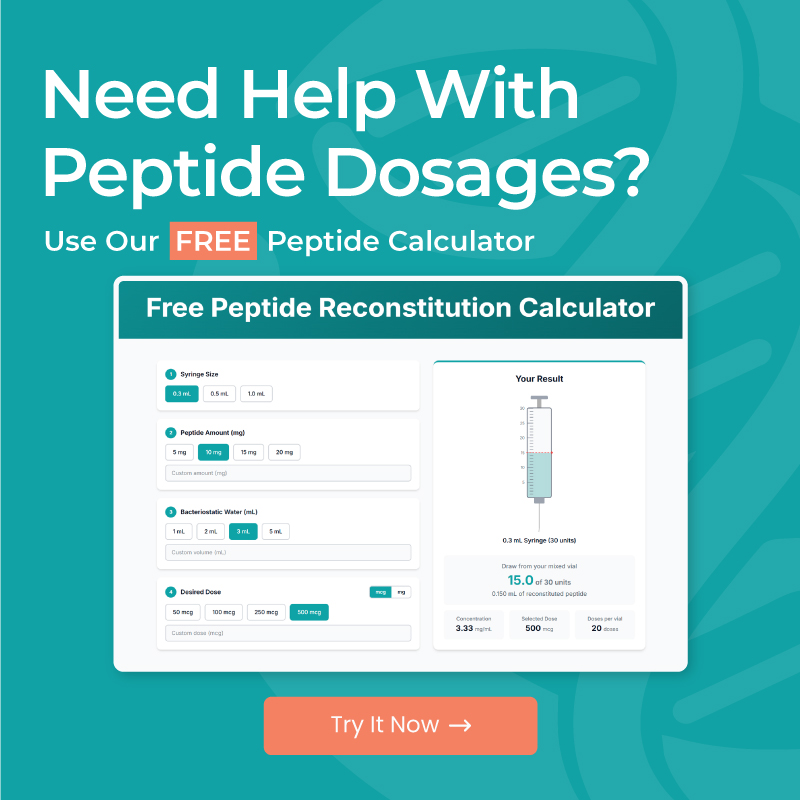
These are conceptual descriptions of how volume and concentration relate, not instructions for selecting a specific volume. The specific volume appropriate for a given vial depends on the total peptide mass, the dose being drawn, and the measurement precision of the syringe in use. MyPeptidePal calculates the appropriate reconstitution volume for a specific compound and dose.
Frequency: Reconstitution is performed once per vial. After that, the reconstituted solution is drawn from as needed until the vial is either empty or has reached its use-by date.
Use window after reconstitution:
- Bacteriostatic water: up to 28 days refrigerated (general standard)
- Sterile water for injection: hours to a maximum of a few days under strict sterile conditions; single-use is the safest standard
- Dilute acetic acid or other compound-specific diluents: variable; follow compound-specific guidance
Important
The ranges above are general information drawn from published research and real-world protocol data — not a dosing recommendation for you specifically. Optimal dosing for Reconstitution Solution depends on your health history, body weight, goals, other compounds being used, and individual response. Always consult a qualified healthcare professional before starting any peptide protocol.
Reconstitution Solution Vial Sizes, Costs & Quality
Common vial sizes:
- 10 mL (most common for bacteriostatic water in peptide research use)
- 30 mL (larger format for multi-peptide protocols or bulk use)
- Single-use ampules of 1-5 mL (sterile water for injection: single-dose applications)
- 20 mL and 50 mL formats available from some pharmaceutical suppliers
Typical cost range: Pharmaceutical-grade (USP) bacteriostatic water runs approximately $8-$20 per 30 mL vial at current U.S. market pricing from compounding pharmacies and medical suppliers. Sterile water for injection in single-use formats costs roughly $5-$15 per pack depending on quantity. Research-grade versions from laboratory supply companies are frequently priced lower, often $3-$8 per vial, but carry important quality distinctions addressed below.
Storage: bacteriostatic water (unopened):
- Temperature: Room temperature (15-30 degrees C); avoid freezing and direct heat
- Shelf life: Typically 2-3 years from manufacture; check labeled expiration date
- Light sensitivity: Protect from direct sunlight and prolonged light exposure
Storage: bacteriostatic water (opened/in use):
- Temperature: Refrigeration preferred; room temperature acceptable per standard multi-dose vial guidance
- Use window: Up to 28 days from first puncture; label the vial with date of first use
- Inspect before each use: discard if any cloudiness, particulates, or color change are observed
Storage: reconstituted peptide solution:
- Temperature: Refrigerate at 2-8 degrees C immediately after reconstitution
- Do not freeze reconstituted solutions: freeze-thaw cycles damage peptide structure
- Use window: Up to 28 days with bacteriostatic water (most peptides); shorter windows for peptide-specific or temperature-sensitive compounds
- Keep in the original sealed vial with stopper intact; protect from light
Normal appearance after reconstitution: Most peptides reconstituted with bacteriostatic water produce a clear, colorless solution. Some compounds, particularly those containing excipients such as albumin or mannitol from the lyophilization process, may produce a very slightly opalescent or faintly hazy solution that is normal for that specific compound. The benchmark is what a fresh, properly reconstituted vial of the same compound looks like. Any new cloudiness, visible particulates, chunks, or color change in a previously clear solution is a sign of degradation or contamination.
Signs of degradation: Heavy cloudiness in a solution that was previously clear, visible particles or aggregates that do not dissolve on gentle swirling, unusual discoloration (yellowing or browning), or an off odor when the stopper is removed. Any of these indicates the solution should not be used: discard the vial and reconstitute fresh.
Quality Considerations for Reconstitution Solution
The difference between pharmaceutical-grade and research-grade reconstitution solution comes down to manufacturing standards and testing requirements, and that difference has direct safety implications. Pharmaceutical-grade (USP) bacteriostatic water is manufactured under cGMP (current Good Manufacturing Practice, meaning the regulated manufacturing standards that govern pharmaceutical production) standards. It is tested for endotoxins (bacterial debris that triggers immune reactions, including fever and inflammation) using the LAL assay (the Limulus Amebocyte Lysate test, a standardized method using horseshoe crab blood cells that detects bacterial contamination at trace levels). It is certified sterile before release, with regulatory accountability behind every batch.
Research-grade versions sold by laboratory suppliers are manufactured for laboratory use. They carry no equivalent mandatory testing requirements and provide no verified assurance that the vial is free of endotoxins. Endotoxins are fragments of bacterial cell walls that survive standard sterilization and cause pyrogenic (fever-triggering) responses and significant inflammatory reactions even when no living bacteria are present. If something is going to be introduced into a human body, the reconstitution solution should be held to the same standard as the compound itself. Choosing pharmaceutical-grade bacteriostatic water alongside research peptides is not overcaution. It is the baseline standard for consistent, accountable protocol work.
Why USA-manufactured peptides matter
Most peptides available online are sourced from unregulated overseas labs with no standardized testing requirements, no verified quality controls, and no accountability if a product is contaminated or misdosed. USA-manufactured peptides cost more, but they come with third-party testing, verifiable certificates of analysis, and domestic accountability. When you are injecting a compound, the sourcing decision matters as much as the dosing decision.
MyPeptidePal members get access to our community-vetted supplier directory inside the app — listing only USA-based manufacturers and verified international suppliers that have passed our review process. Find vetted suppliers inside MyPeptidePal →
Reconstitution Solution Side Effects & Safety
Side Effect Spectrum
| Common | Less Common | Rare / Serious |
|---|---|---|
| Mild injection site discomfort (typically technique-related) | Local redness or swelling at injection site | Systemic hypersensitivity to benzyl alcohol |
| Slight sting on injection (from acidity of bacteriostatic water) | Prolonged local irritation with repeated injection to same site | Benzyl alcohol toxicity in neonates ("gasping syndrome"): absolute contraindication |
| Minor anxiety during first reconstitution attempt (technique unfamiliarity) | Dermal sensitivity reaction to benzyl alcohol at injection site | Sepsis or abscess from severely contaminated solution (associated with breaches of sterile technique) |
| Cloudiness or incomplete dissolution when using incorrect diluent | Aggregated or precipitated peptide from pH-incompatible diluent | Endotoxin reaction (fever, rigors, systemic inflammation) from non-USP-grade reconstitution solution |
Contraindications
- Neonates and premature infants: Benzyl alcohol 0.9% as found in bacteriostatic water is absolutely contraindicated in neonates. Fatal toxicity has been documented at cumulative doses exceeding 99 mg/kg/day. Reported effects include metabolic acidosis, CNS depression, and respiratory failure. These are collectively termed gasping syndrome. Sterile water for injection (preservative-free) is the required alternative for any neonatal application.
- Known benzyl alcohol hypersensitivity: Individuals with documented allergy or sensitivity to benzyl alcohol should use preservative-free sterile water or normal saline as their diluent. Benzyl alcohol allergy is rare but sensitized individuals can experience local or systemic reactions.
- Large-volume intravenous administration with bacteriostatic water: Bacteriostatic water is not appropriate as the final diluent for large-volume IV infusion. Benzyl alcohol concentrations become more significant at IV doses. The hypotonic (more dilute than body fluids) character of bacteriostatic water poses hemolytic (red blood cell destruction) risk at these volumes. Dilution into isotonic IV-compatible solutions is required before IV administration.
- Non-USP-grade solutions for human injection use: Research-grade reconstitution solutions not manufactured to USP standards lack verified endotoxin and sterility testing and should not be used for administration.
Populations Where Caution Is Warranted
- Pregnancy and breastfeeding: Insufficient safety data specifically on benzyl alcohol-containing solutions during pregnancy; preservative-free sterile water for injection is the conservative choice when benzyl alcohol exposure is a concern.
- Low body weight individuals with very frequent multi-dose use: Benzyl alcohol is metabolized to benzoic acid and then hippuric acid in adults. At high injection frequencies with bacteriostatic water, cumulative benzyl alcohol exposure may be worth considering in very low body weight individuals. Documented toxicity in adults at standard multi-dose vial use volumes has not been established in the literature.
- Individuals with hepatic impairment: Benzyl alcohol metabolism occurs primarily via hepatic pathways. Severely impaired hepatic function may reduce benzyl alcohol clearance. This is a theoretical concern without strong clinical documentation at bacteriostatic water doses.
Red Flags: Stop Use and Seek Medical Attention If
- Significant pain, swelling, warmth, or spreading redness at the injection site beyond normal minor injection discomfort
- Signs of systemic allergic reaction: hives, difficulty breathing, throat tightening, or rapid heart rate following injection
- Fever, rigors (shaking chills), or sudden systemic unwellness following injection: these may indicate endotoxin exposure or sepsis from contaminated solution
- Abscess or visible infection at an injection site
Drug and Compound Interactions
Bacteriostatic water and sterile water for injection have no known pharmacological interactions with medications or other compounds at the concentrations relevant to peptide reconstitution. Benzyl alcohol is metabolized via alcohol dehydrogenase and aldehyde dehydrogenase pathways. Interactions with compounds that inhibit these pathways are theoretically possible but are not documented at bacteriostatic water doses in the literature. The more clinically relevant interaction concern is physical rather than pharmacological: mixing multiple peptides in a single reconstituted vial without validated compatibility data risks precipitation, aggregation, or loss of activity in one or both compounds. Standard practice from pharmaceutical and research settings is to reconstitute each compound separately unless specific documented evidence of compatibility exists.
Side effects and contraindications listed here are drawn from published studies, documented case reports, and user protocol data. This section is informational only and does not constitute medical advice or guidance. Individual responses vary. Always consult a qualified healthcare professional before starting, stopping, or modifying any peptide protocol.
Reconstitution Solution Research & Studies
Pharmacokinetics and Metabolism
Absorption and Bioavailability Reconstitution solution itself has no pharmacological bioavailability in the traditional sense. The water, sodium chloride, and benzyl alcohol components are absorbed as ordinary physiological or dietary compounds, not as active drug substances. After subcutaneous injection of a small volume of bacteriostatic water as the vehicle for a peptide, the water component is absorbed into local tissue capillaries within minutes. Benzyl alcohol at the concentrations found in bacteriostatic water (0.9%) is absorbed locally and enters systemic circulation rapidly following injection.
Distribution Water distributes freely across all body compartments. Benzyl alcohol distributes into plasma and peripheral tissues. It does not selectively concentrate in specific organs at the doses involved in standard peptide reconstitution use. Sodium chloride distributes in the extracellular fluid compartment per normal electrolyte physiology.
Half-Life Benzyl alcohol's plasma half-life is short: it is rapidly metabolized and is generally undetectable within hours of a standard-volume subcutaneous injection. No specific half-life measurement is reported in the literature for the doses involved in single peptide injection use. Available pharmacokinetic data comes primarily from clinical toxicology reports in neonates, where cumulative dosing created measurable plasma levels.
Metabolism and Elimination Benzyl alcohol is metabolized by hepatic alcohol dehydrogenase to benzaldehyde, then by aldehyde dehydrogenase to benzoic acid. Benzoic acid is conjugated with glycine to form hippuric acid and eliminated renally. This two-step oxidation pathway is well-characterized and operates efficiently in adults. Neonates lack sufficient aldehyde dehydrogenase activity for this metabolism, which is the biochemical basis of gasping syndrome at cumulative benzyl alcohol doses. Sodium chloride follows normal electrolyte metabolism and renal excretion.
Data gap note: Pharmacokinetic data for benzyl alcohol specifically as delivered in bacteriostatic water reconstitution use, meaning small-volume subcutaneous injection in an adult population, is primarily inferred from toxicology literature rather than directly measured in controlled pharmacokinetic studies. Available clinical pharmacokinetic data comes predominantly from neonatal toxicity investigations and from oral and IV benzyl alcohol exposure contexts.
Mechanistic Research on Reconstitution Solution Components
Bacteriostatic Mechanism of Benzyl Alcohol (Evidence: Established pharmaceutical microbiology, documented in USP and FDA guidance)
Benzyl alcohol exerts bacteriostatic activity through disruption of bacterial cell membrane integrity. It also interferes with intracellular metabolic processes, including inhibition of respiration and uptake of amino acids. At 0.9% concentration in aqueous solution, benzyl alcohol is effective against a broad spectrum of Gram-positive and Gram-negative bacteria as well as many fungi. The concentration is calibrated to inhibit microbial growth without causing meaningful toxicity to the peptide compounds being preserved or to the tissues receiving the injection.
Peptide Stability in Aqueous Solution: Degradation Mechanisms (Evidence: Established pharmaceutical formulation science, documented in ICH guidelines and pharmaceutical stability literature)
Peptides in aqueous solution are subject to several simultaneous degradation pathways. Hydrolysis, the breaking of peptide bonds by water, is the primary chemical degradation route. It is accelerated by elevated temperature, extreme pH, and the presence of catalytic metal ions. Oxidation of susceptible residues (methionine, cysteine, tryptophan, tyrosine) is driven by dissolved oxygen and reactive oxygen species. This pathway is minimized by USP-grade solutions formulated under controlled conditions. Aggregation, the clumping of unfolded or partially unfolded peptide molecules, is accelerated by agitation, elevated temperature, and inappropriate pH. These three degradation routes operate simultaneously once a peptide enters solution, which is why temperature, pH, gentle handling, and time-limited use windows are all components of a complete stability protocol.
Endotoxin Risk in Non-USP Diluents (Evidence: Documented in FDA guidance documents and pharmaceutical microbiology literature)
Endotoxins are lipopolysaccharides (fragments from the outer membrane of Gram-negative bacteria) that are heat-stable and potent pro-inflammatory molecules. They can cause fever, rigors, hypotension, and in severe cases septic shock when introduced systemically. Improperly manufactured reconstitution solutions that have not undergone validated endotoxin testing may contain levels that cause subclinical inflammatory reactions or overt pyrogenic (fever-triggering) responses. USP standards for injectable solutions specify endotoxin limits that must be verified through the LAL assay (Limulus Amebocyte Lysate test, a standardized detection method) before product release. Research-grade reconstitution solutions are not held to these standards because they are not approved for human injection use.
Condition-Focused Research on Reconstitution Solution
Lyophilized Pharmaceutical Reconstitution in Clinical Practice {#research-clinical}
The reconstitution of lyophilized biologics and peptide pharmaceuticals is one of the most thoroughly documented processes in clinical pharmacy. FDA-approved lyophilized products, including somatropin formulations, tesamorelin (Egrifta), sermorelin, glucagon, and numerous biologics, have individual reconstitution instructions validated through stability studies conducted by manufacturers under FDA oversight. These studies document the appropriate diluent type, mixing technique, and post-reconstitution stability window for each compound. The consistent findings across these validated stability studies are that temperature is the dominant variable in post-reconstitution stability, that mechanical agitation causes measurable potency loss through aggregation, and that preservative-containing diluents reliably extend stability windows to 28 days or longer for appropriately formulated products. (Evidence: Strong: established clinical pharmacy practice)
Benzyl Alcohol Safety in Adults {#research-benzyl}
The safety profile of benzyl alcohol in adults at the concentrations present in bacteriostatic water is well-established through decades of clinical use. At 0.9% concentration in injectable preparations, benzyl alcohol has been used safely in adult populations without clinically meaningful risk of systemic toxicity at standard multi-dose injection volumes. The FDA's long-standing acceptance of benzyl alcohol in injectable pharmaceutical products reflects this established safety record. The critical distinction between adult safety and neonatal contraindication is metabolism-dependent. Adults efficiently oxidize benzyl alcohol to hippuric acid via the two-step aldehyde dehydrogenase pathway. Neonates do not have fully functional aldehyde dehydrogenase, causing accumulation of toxic benzaldehyde and benzoic acid intermediates. (Evidence: Strong: documented in FDA Drug Safety Communication)
Stability of Research Peptides in Bacteriostatic Water {#research-stability}
Stability data specific to research peptides, including BPC-157, TB-500, GHRPs, and similar compounds, in bacteriostatic water is not as extensively published in peer-reviewed literature as data for FDA-approved pharmaceuticals. Practitioner-documented and community-reported experience, aggregated in the MyPeptidePal Knowledge Base, consistently supports 28-day refrigerated stability for most standard research peptides reconstituted with pharmaceutical-grade bacteriostatic water. The underlying chemistry, benzyl alcohol inhibiting microbial growth, refrigeration slowing chemical degradation, and pH remaining stable across the use window, aligns with established pharmaceutical science for comparable peptide classes as documented in stability literature. (Evidence: Moderate: extrapolated from pharmaceutical stability principles; compound-specific controlled data is not available for most research peptides)
Safety and Tolerability Research
The safety profile of pharmaceutical-grade reconstitution solutions in adult human use is one of the most thoroughly validated in medicine, owing to their routine clinical use over decades in hospital and outpatient settings. Bacteriostatic water for injection and sterile water for injection carry well-established safety profiles in adults. The primary documented serious safety concern is benzyl alcohol toxicity in neonates, an absolute contraindication consistent across all relevant literature. Local injection site reactions in adults are typically mild and technique-related. Systemic adverse events from properly used pharmaceutical-grade diluent are rare and generally limited to hypersensitivity reactions in sensitized individuals. The safety risks that matter in research peptide contexts are not from the diluent chemistry itself but from quality failures (non-USP-grade products lacking endotoxin testing) and technique failures that introduce contamination.
Research Limitations
The most significant evidence gap in this area is the absence of controlled stability studies for specific research peptides (BPC-157, TB-500, GHRPs, and similar compounds) reconstituted in bacteriostatic water under research-use conditions. Stability data for FDA-approved pharmaceutical peptides is extensive and applicable in principle, but compound-specific data confirming exactly how each research peptide behaves across a 28-day window has not been published in peer-reviewed literature. Additionally, pharmacokinetic data for benzyl alcohol at the specific doses involved in subcutaneous peptide injection is inferred from toxicology literature rather than from purpose-designed pharmacokinetic studies. These gaps do not undermine the practical guidance in this article, which is grounded in established pharmaceutical science, but they represent areas where additional compound-specific research would strengthen the evidence base.
Is Reconstitution Solution Legal? Regulatory & Sports Status
FDA status: Bacteriostatic water for injection and sterile water for injection are FDA-regulated pharmaceutical products that must meet United States Pharmacopeia (USP) standards. They are available both over-the-counter and via prescription depending on the specific form, quantity, and vendor; retail pharmacy availability is limited in some areas. Compounding pharmacies may prepare bacteriostatic water under Sections 503A and 503B of the Federal Food, Drug, and Cosmetic Act. Research-grade versions sold by laboratory supply companies are labeled "for research use only" and are not FDA-approved for human injection use: that designation governs manufacturing standards, testing requirements, and regulatory accountability.
Research Use Only (RUO): Research-grade reconstitution solutions carry an RUO designation that reflects their manufacturing and testing standards, not their chemistry. The benzyl alcohol and water in a research-grade product is chemically the same as in a pharmaceutical-grade product. The distinction is in manufacturing process, quality testing, and regulatory accountability. For anyone preparing compounds for human administration, pharmaceutical-grade (USP) products are the appropriate category.
WADA / USADA status: Reconstitution solutions are not on the WADA Prohibited List and have no anti-doping implications of their own. All regulatory concern in athletic contexts is directed at the active compounds being reconstituted, many of which are prohibited under various WADA categories, not at the diluent. Possession or use of bacteriostatic water is not a doping violation; administration of a reconstituted prohibited compound is.
Country-specific notes: Pharmaceutical-grade bacteriostatic water and sterile water for injection are regulated pharmaceutical products in virtually all jurisdictions, subject to pharmacopeial standards (USP in the United States, Ph. Eur. in the European Union, BP in the United Kingdom, TGA standards in Australia). Possession without prescription is generally not restricted for these products as standalone items, though this varies by country and quantity. Regulations governing the active compounds being reconstituted vary significantly by jurisdiction and are a separate consideration from the diluent itself.
Detection: Reconstitution solutions contain no detectable compounds on any known anti-doping test panel. They are not subject to sports testing, workplace drug screening, or any standard clinical toxicology panel.
Reconstitution Solution vs. Alternatives
Choosing Between Diluent Types
-
Bacteriostatic water vs. sterile water for injection: The choice between these two is primarily about intended use duration. Bacteriostatic water supports multi-dose use over up to 28 days refrigerated; sterile water is single-use only. If a full vial of peptide will be used over several weeks, bacteriostatic water is the standard choice. If a compound is being used in a single administration or if benzyl alcohol sensitivity is present, sterile water is the appropriate alternative. The trade-off is direct: preservative protection versus preservative-free purity.
-
Bacteriostatic water vs. normal saline: Normal saline is isotonic (same concentration as body fluids) where bacteriostatic water is hypotonic (lower concentration than body fluids). This matters for intravenous use and for some intramuscular applications. For subcutaneous injection at small volumes, the isotonicity difference has minimal practical significance. Saline is preferred for intranasal applications and as a secondary dilution agent for IV administration. Saline is generally not the first-choice primary reconstitution diluent for most peptides because some compounds aggregate or destabilize in chloride-containing solutions.
-
Bacteriostatic water vs. 0.6% acetic acid: These are not interchangeable, and treating them as though they are is how people hurt themselves. Bacteriostatic water is a diluent — it makes up the volume of your solution. Acetic acid is a solvent step: a small amount (roughly 0.25 to 1 mL of 0.6%) used to dissolve a peptide that will not go into solution at neutral pH, after which bacteriostatic water brings the vial to its target volume. Only a minority of peptides need it — AOD-9604 most notably, along with IGF-1 LR3 and GHK-Cu. For everything else, acetic acid is unnecessary and bacteriostatic water is the correct choice. Reconstituting entirely with acetic acid produces a vial that looks perfectly dissolved but delivers undiluted acid with every dose, causing burning, welting and possible tissue damage.
Alternatives in Specific Use Contexts
Phosphate Buffered Saline (PBS) PBS maintains physiological pH and osmolality and is widely used in laboratory and in vitro research contexts. It is not a standard alternative to bacteriostatic water for human injection: PBS intended for laboratory use does not carry the endotoxin testing certification required for injectable use, and its formulation is designed for in vitro rather than in vivo applications. Researchers working with cell culture experiments may prefer PBS, but it is outside the scope of standard peptide injection protocols.
Metacresol-Preserved Diluents Several pharmaceutical somatropin products come with proprietary diluents containing metacresol (m-cresol) rather than benzyl alcohol as the preservative. Metacresol is also bacteriostatic and has a comparable safety profile to benzyl alcohol in adults. These diluents are provided as part of specific pharmaceutical products and are not available as standalone research-use diluents; they are noted here for context when comparing pharmaceutical HGH products to research peptide reconstitution practice.
Sodium Bicarbonate Solution Alkaline diluents are rarely used in peptide research contexts but occasionally appear in specialist formulations. Sodium bicarbonate solution is sometimes added as a co-diluent for compounds requiring elevated pH for solubility. This is a specialized, compound-specific application with no general relevance to standard peptide reconstitution.
Comparison table:
| Diluent | Preservative | Tonicity | Multi-Dose | Best For | Key Limitation |
|---|---|---|---|---|---|
| Bacteriostatic Water (BWFI) | Benzyl alcohol 0.9% | Hypotonic | Yes (28 days) | Most SubQ/IM peptides | Contraindicated neonates; not for large-volume IV |
| Sterile Water for Injection (SWFI) | None | Hypotonic | No (single-use) | Single-dose use; benzyl alcohol sensitivity | No preservative protection; very short use window |
| Normal Saline 0.9% | None (standard) | Isotonic | Limited | IV dilution; intranasal use; IM | Chloride may cause aggregation in some peptides |
| 0.6% Acetic Acid | None | Acidic | Solvent step, not a diluent | AOD-9604; also IGF-1 LR3, GHK-Cu | Never use alone as the diluent — use the minimum needed, then top up with bacteriostatic water |
| PBS | None | Isotonic | No | In vitro / laboratory research | Not for human injection; no endotoxin certification for injection use |
Build Your Reconstitution Solution Protocol
Ready to build your Reconstitution Solution protocol?
This guide covers what the evidence shows — the broad ranges, the mechanisms, the research, and the safety picture. What it cannot do is tell you exactly what your protocol should look like, because that depends on your health history, body weight, goals, and what else you are using.
That is what MyPeptidePal does. Tell it about yourself and your goals — it builds a complete, personalized Reconstitution Solution protocol in under 60 seconds. Free to try. No credit card required.
FAQs
What is reconstitution solution?
Reconstitution solution is a sterile liquid used to dissolve a lyophilized (freeze-dried) peptide or biologic compound into an injectable or usable liquid form. The most common type in peptide research is bacteriostatic water, which is sterile water containing 0.9% benzyl alcohol as a preservative, though sterile water for injection, normal saline, and dilute acetic acid are used in specific contexts. The choice of reconstitution solution directly affects the stability, shelf life after mixing, and safety of the resulting compound solution.
What does reconstitution solution do?
Reconstitution solution dissolves a dry, lyophilized peptide powder into a uniform liquid where each unit of volume contains a consistent amount of active compound, which is what makes accurate dosing possible. In the case of bacteriostatic water, the benzyl alcohol preservative also inhibits bacterial growth in the vial across multiple uses over weeks. Without a proper reconstitution solution, there is no reliable way to draw consistent doses from a peptide vial.
How long does reconstituted peptide last?
Reconstituted with bacteriostatic water and stored refrigerated at 2-8 degrees C, most research peptides remain stable for up to 28 days. This is the standard guidance derived from pharmaceutical multi-dose vial protocols and consistent with real-world protocol data. Reconstitution with sterile water for injection provides a much shorter window, generally hours to a maximum of a few days under strict sterile conditions, making it a single-dose option in practice. Beyond the use window, peptide degradation risk increases regardless of visible appearance.
What is the typical amount of reconstitution solution to use?
The volume of reconstitution solution added to a peptide vial determines the resulting concentration, so the right amount depends on the total mass of peptide in the vial and the working concentration needed for the dose. Choosing the wrong volume does not make the peptide dangerous, but it makes every subsequent dose calculation either too concentrated or too dilute. MyPeptidePal calculates the appropriate reconstitution volume for a specific compound, vial size, and dose so that the resulting concentration matches your measurement precision.
Is reconstitution solution legal?
Pharmaceutical-grade bacteriostatic water for injection and sterile water for injection are legal, FDA-regulated pharmaceutical products in the United States. They are not controlled substances, are not on the WADA Prohibited List, and can be purchased without restriction in most U.S. states, though retail availability varies. Research-grade versions from laboratory suppliers are legal but carry a "for research use only" designation. The regulatory concern in peptide contexts relates to the active compounds being reconstituted, not to the diluent itself.
Can reconstitution solution be taken orally?
Reconstitution solution is not intended for oral use as a standalone substance, though the components, water, sodium chloride, and very small amounts of benzyl alcohol, are not inherently dangerous in the volumes involved. When oral administration of a reconstituted peptide is being used, sterile water or normal saline is the more appropriate diluent than bacteriostatic water, since benzyl alcohol is not the preferred option for ingested solutions. However, oral routes for most research peptides face bioavailability challenges unrelated to the diluent: gastric acid and digestive enzymes degrade most peptides before systemic absorption can occur.
Why can't I just use tap water or distilled water?
Tap water contains dissolved minerals, chlorine, potential contaminants, and is not sterile. Injecting it introduces contamination and unpredictable chemistry that can destabilize peptides and cause injection site reactions or worse. Distilled water sold for household use (irons, humidifiers) is not manufactured under sterile conditions and is not pyrogen-tested (meaning it has not been verified free of fever-triggering bacterial debris). The sterility, pH control, endotoxin testing, and manufacturing standards of USP-grade injectable solutions are exactly what makes them safe for injection use, none of which household water sources provide.
Why should I not shake the vial when reconstituting?
Vigorous shaking introduces mechanical stress that causes peptide molecules to unfold and aggregate, meaning they clump together into structures that are no longer biologically active. Some peptides, particularly larger proteins, are especially sensitive to agitation-induced aggregation. Shaking can also cause foaming, which introduces air-liquid interface stress that further degrades peptide structure. The correct technique is gentle swirling or rolling the vial between the palms until the powder is fully dissolved, a process that takes 1-5 minutes for most compounds and preserves compound integrity throughout.
What is the difference between pharmaceutical-grade and research-grade bacteriostatic water?
Both are the same basic formulation: sterile water with 0.9% benzyl alcohol. The difference is in manufacturing standards, testing requirements, and regulatory status. Pharmaceutical-grade (USP) bacteriostatic water for injection is manufactured under cGMP standards, tested for endotoxins using the LAL assay, and certified sterile before release, with regulatory accountability if a product fails. Research-grade versions are manufactured for laboratory use, are not subject to the same mandatory testing requirements, and carry no verified assurance of endotoxin-free status. For anything being introduced into a human body, the manufacturing and testing standards of pharmaceutical-grade product are the appropriate standard.
What should a properly reconstituted peptide look like?
Most research peptides, once fully dissolved in bacteriostatic water, produce a clear, colorless solution with no visible cloudiness or particulates. Some compounds containing excipients such as albumin may produce a very faint opalescence that is normal for that specific compound. The key benchmark is consistency: a properly reconstituted vial should look the same every time you reconstitute that compound. Any new cloudiness, visible particles that do not dissolve with gentle swirling, color change, or unusual odor are signs of degradation, contamination, or an incompatible diluent, and the solution should not be used.
Final Thoughts
Reconstitution solution is the starting point for every peptide protocol that involves a lyophilized compound. It is not an afterthought, a detail to rush through, or a category where cutting corners makes sense. The diluent you use determines how long a reconstituted compound remains stable, whether it dissolves correctly in the first place, and whether the solution you are drawing doses from is sterile and endotoxin-free or simply assumed to be. Bacteriostatic water handles the majority of research peptide reconstitution needs: it dissolves effectively, guards against contamination across a multi-week use window, and has a thoroughly validated safety profile in adults across decades of clinical and research use. The specific exceptions, IGF-1 requiring acetic acid, intranasal use preferring saline, and single-dose contexts calling for sterile water, follow clear logic once the underlying chemistry is understood.
The most important cautions here are not complicated. Use pharmaceutical-grade (USP) reconstitution solution rather than research-grade for anything being administered to a human. Do not use bacteriostatic water in or near neonates: this is absolute and non-negotiable. Practice consistent sterile technique at every step, because bacteriostatic action is a safeguard against minor contamination, not a substitute for technique. Refrigerate reconstituted vials, do not freeze them, label them with reconstitution dates, and discard when the use window has passed. These are not elaborate precautions: they are the minimum standard that the pharmaceutical science underlying this entire field is built on.
If you are working out which reconstitution approach applies to a particular compound in your protocol, MyPeptidePal can walk through compound-specific guidance and help you determine the right setup. The broad framework is in this guide: the specific details for your exact compound and dose live inside the app.
This guide is for educational and informational purposes only. It is not medical advice, a diagnosis, a treatment recommendation, or a suggestion to use Reconstitution Solution or any other compound. The information provided does not replace consultation with a qualified healthcare professional. Always consult a licensed medical provider before starting, stopping, or modifying any peptide protocol or health regimen. Individual results vary. The peptides discussed may be unapproved for human use and may be regulated differently depending on your jurisdiction. Users are responsible for understanding and complying with all applicable laws and regulations in their location.
References
Additional sources note: The USP General Chapter citation previously listed as Reference 2 has been removed because the source URL pointed only to the USP homepage and could not be verified as linking to a specific chapter or document. Compound-specific stability data for research peptides (BPC-157, TB-500, GHRPs) reconstituted in bacteriostatic water has not been published in peer-reviewed literature as of this writing. The 28-day stability guidance applied to these compounds is extrapolated from pharmaceutical stability principles for comparable compounds, supported by practitioner-documented and user-reported observations aggregated in the MyPeptidePal Knowledge Base. These gaps are documented in the Research Limitations section. Additional sources pending editorial review.

About MyPeptidePal
About the Author
Marcus Reid is a functional medicine researcher, data analyst, and peptide specialist, and one of the people who built MyPeptidePal. The platform exists in part because of the years he spent immersed in clinical literature, real-world protocols, and the kind of hands-on experimentation that most textbooks skip entirely. He is not a physician and does not pretend to be. What he is, is someone who has done the work to understand how these compounds actually function at a biological level, what the research actually says versus what the forums claim, and how to explain it in a way that makes sense to anyone willing to learn. At MPP, Marcus contributed to building the knowledge base, the protocol frameworks, and the research systems that power the platform. His work covers tissue repair, metabolic health, hormonal optimization, longevity, cognitive function, and cosmetic applications. When the science gets complicated, his job is to make it click.